On the afternoon of July 27, 2026, a line of intense supercell thunderstorms moved across the Chicago metro area. The National Weather Service logged hail up to three inches in diameter, straight-line wind gusts past 80 mph, and multiple tornado reports across Cook, DuPage, and Lake counties.
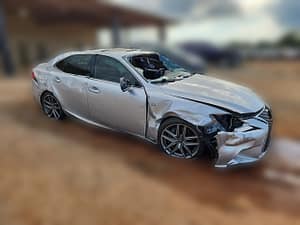
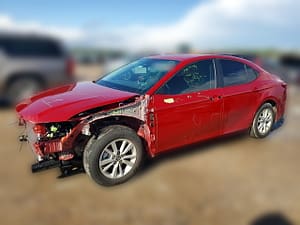
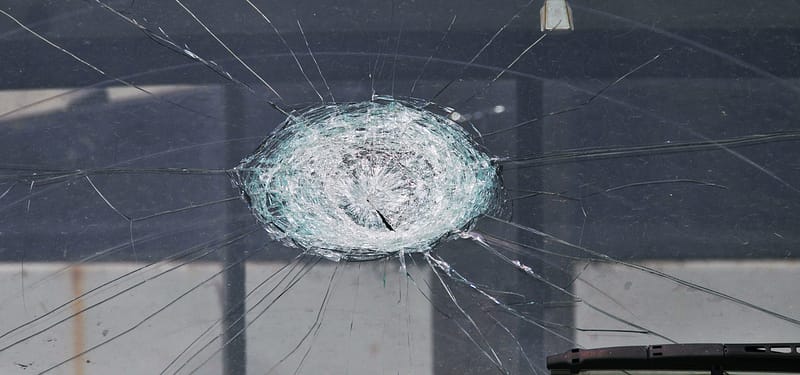
Drivers came back to their vehicles to find shattered windshields, dented roofs and hoods, and body panels pocked from end to end. For a large number of them, the insurance company will not be paying for repairs at all — it will declare the vehicle a total loss.
If that is where you have landed, the number your insurer puts in front of you is not the final word. It is an opening position, and after a storm this size it is frequently a low one.
What the July 27 Storm Actually Did
This was not a marginal event. Across Illinois that day the NWS recorded 62 separate hail reports, 21 of them at golf-ball size or larger, with the biggest stones measured at a full three inches — comfortably into the range that writes off a vehicle rather than dents it. The same storm system produced ten tornado reports and gusts to 82 mph in the state.
The counties taking the worst of it — Cook, DuPage, and Lake — hold roughly 8.8 million people between them. That combination, severe hail directly over a dense metro area, is what turns a storm into a mass total-loss event, and it is exactly the situation in which settlement offers start slipping.
.jpg "il-hail-inline")
Why Hail Writes Off a Car That Still Drives
Hail damage is unusual because the vehicle often drives perfectly afterward. Nothing is bent underneath, the engine is fine, and it is tempting to assume the claim will be small.
The cost sits in the panels. Hail does not hit one spot — it hits the roof, hood, trunk, both quarter panels, and the glass, all at once. Paintless dent repair is priced per panel, and once enough panels need work, plus a windshield and possibly a sunroof, the repair estimate climbs past the percentage of the vehicle’s value that triggers a total loss in Illinois. A car that looks driveable can cross that threshold quickly.
Where Storm-Surge Settlements Go Wrong
After a catastrophe event, insurers process an enormous volume of claims in a compressed window. Valuations lean harder on automated market data and less on the specific vehicle in front of them.
That is where the errors show up. A settlement built from generalized comparables can miss trim level, factory options, low mileage, recent tires or major service, and genuine condition. It can also miss what the local market was doing immediately before the storm. Each of those omissions moves the number down, and they stack.
There is a second, quieter problem: after a regional hail event, the supply of undamaged used vehicles tightens while demand from newly carless drivers spikes. The replacement cost you actually face may be higher than the pre-storm data suggests.
What to Do If Your Vehicle Was Declared a Total Loss
Ask for the valuation report itself — not the summary figure. You are entitled to see the comparable vehicles and the adjustments applied to each one.
Check the comparables individually. Confirm they match your trim, drivetrain, options, and mileage, and that they are drawn from your market rather than a cheaper one several states away.
Document what the data cannot see. Service records, new tires, a recent transmission or battery replacement, and pre-storm photographs all support a higher pre-loss value.
Do not accept the first offer by default. A first offer is a starting position. Disagreeing with it is a normal part of the process, and most policies contain an appraisal clause that exists precisely for this disagreement.
Storms like this one, and the Round Rock hailstorm we covered in Texas, do more than damage vehicles — they take away the transportation people rely on for work and family. Getting the settlement right is what determines how quickly that gets replaced.
If your vehicle was damaged or declared a total loss in the July 27 storms, you do not have to work through the valuation alone. My Write Off’s Illinois total loss appraisers can review your insurer’s figures and help you pursue a fair settlement.