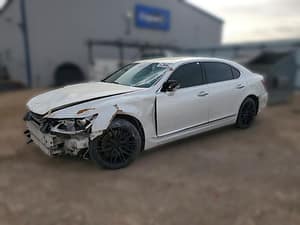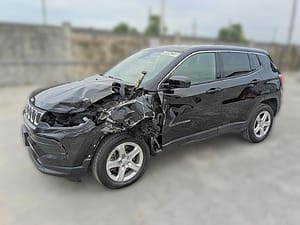

When your vehicle is declared a total loss after an accident, your insurance company will typically offer a settlement based on what they believe your car was worth immediately before the damage occurred. For many drivers, this offer comes as a relief during a stressful time. But what happens if the settlement amount feels too low?
If you disagree with your total loss settlement offer, you’re not alone – and you do have options. Understanding the process can help you advocate for a fair outcome.
1. Understand How the Value Was Calculated
Insurance companies usually determine your vehicle’s value using recent sales data for similar vehicles in your area. Factors that influence the valuation include:
- Make, model, and year
- Mileage
- Vehicle condition before the accident
- Trim level and options
- Local market prices
Ask your insurer for a copy of the valuation report. This document should show comparable vehicles used to justify the settlement amount. Carefully review it for errors such as incorrect mileage, missing features, or inaccurate condition ratings.
2. Gather Your Own Evidence
If you believe the settlement offer undervalues your vehicle, collect documentation that supports a higher value. Helpful evidence can include:
- Listings for similar vehicles in your region
- Receipts for recent upgrades or major repairs
- Maintenance records showing excellent upkeep
- Photos demonstrating the vehicle’s condition before the accident
Try to find comparable vehicles that closely match yours in year, trim, mileage, and condition. The closer the comparison, the stronger your case.
3. Present Your Case to the Insurer
Once you have your supporting documentation, send it to your claims adjuster and ask for a reassessment of the settlement amount.
Be clear and organized in your communication. Outline where you believe the valuation is inaccurate and provide the evidence you’ve collected. In many cases, insurers are willing to review additional information and adjust their offer if the data supports it.
4. Review Your Policy for Dispute Options
If the insurance company does not adjust the settlement after you present additional evidence, you still have options. Many policies include an appraisal clause, which allows both you and the insurer to hire independent appraisers to determine the vehicle’s value. If those appraisers can’t agree, a neutral umpire may step in to make the final determination.
This process can be complex, which is why some drivers choose to work with professionals who specialize in total loss claims. Services like My Write Off help vehicle owners review their settlement offers, analyze valuation reports, and identify discrepancies that may impact the payout. By gathering stronger comparable vehicle data and presenting it clearly, they can help support your case for a fairer settlement.
Disagreeing with a total loss settlement offer can feel overwhelming, especially when you’re trying to replace your vehicle and move on after an accident. However, it’s important to remember that the first offer isn’t always the final one. By carefully reviewing the valuation report, gathering your own comparable listings, and questioning any inaccuracies, you can often improve the outcome of your claim.
If the process starts to feel complicated or time-consuming, getting expert support can make a meaningful difference. My Write Off helps drivers review their settlement offers, identify gaps in valuation reports, and build stronger evidence using accurate market comparisons. With a clearer understanding of your vehicle’s true value and guidance through the dispute process, you’ll be in a much stronger position to pursue a fair settlement.
At the end of the day, the goal is simple: ensuring you receive compensation that accurately reflects the value of the vehicle you lost. Taking the right steps – and getting the right help – can help you move forward with confidence.